Introduction: Understanding the Importance of Water Damage Restoration
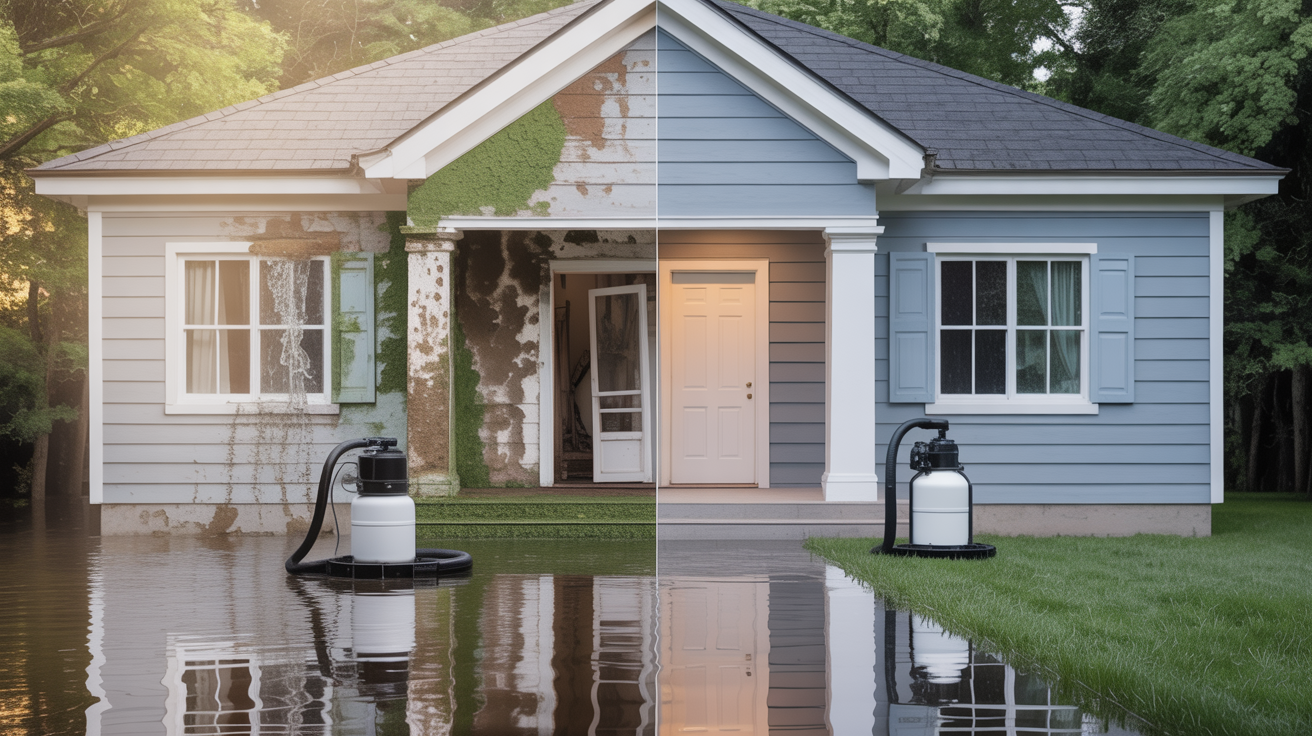
Water damage is a common issue that homeowners face, often leading to significant structural damage if not addressed promptly. Water Damage Restoration is the process of restoring a property to its pre-damage condition. Understanding this process is crucial for protecting your home and ensuring the health and safety of its occupants.
What is Water Damage Restoration?
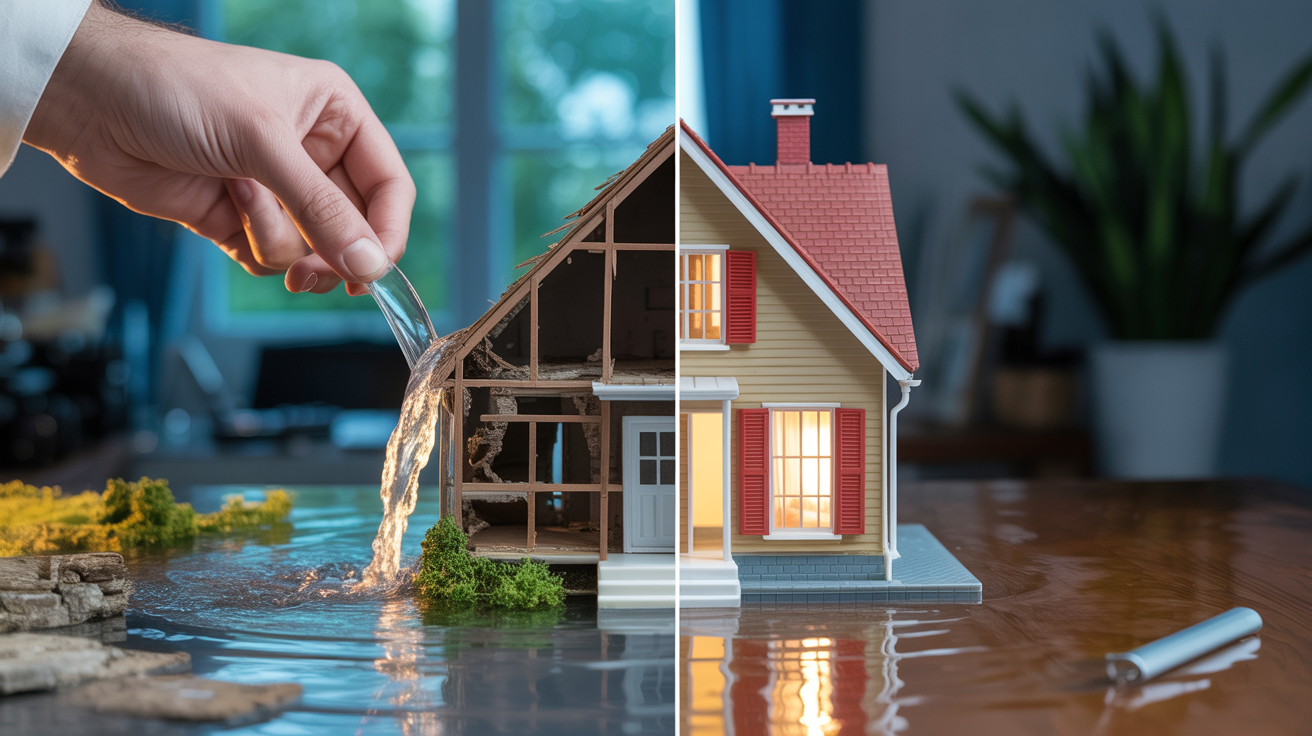
Defining Water Damage Restoration
Water damage restoration involves the complete process of water cleanup from beginning to end. This means fixing the water source, removing water, drying out the affected areas, and performing any necessary repairs.
Why Timely Restoration is Crucial
Delaying restoration can lead to more serious problems, such as mold growth and structural damage. Quick action helps prevent further issues and reduces restoration costs.
Common Causes of Water Damage
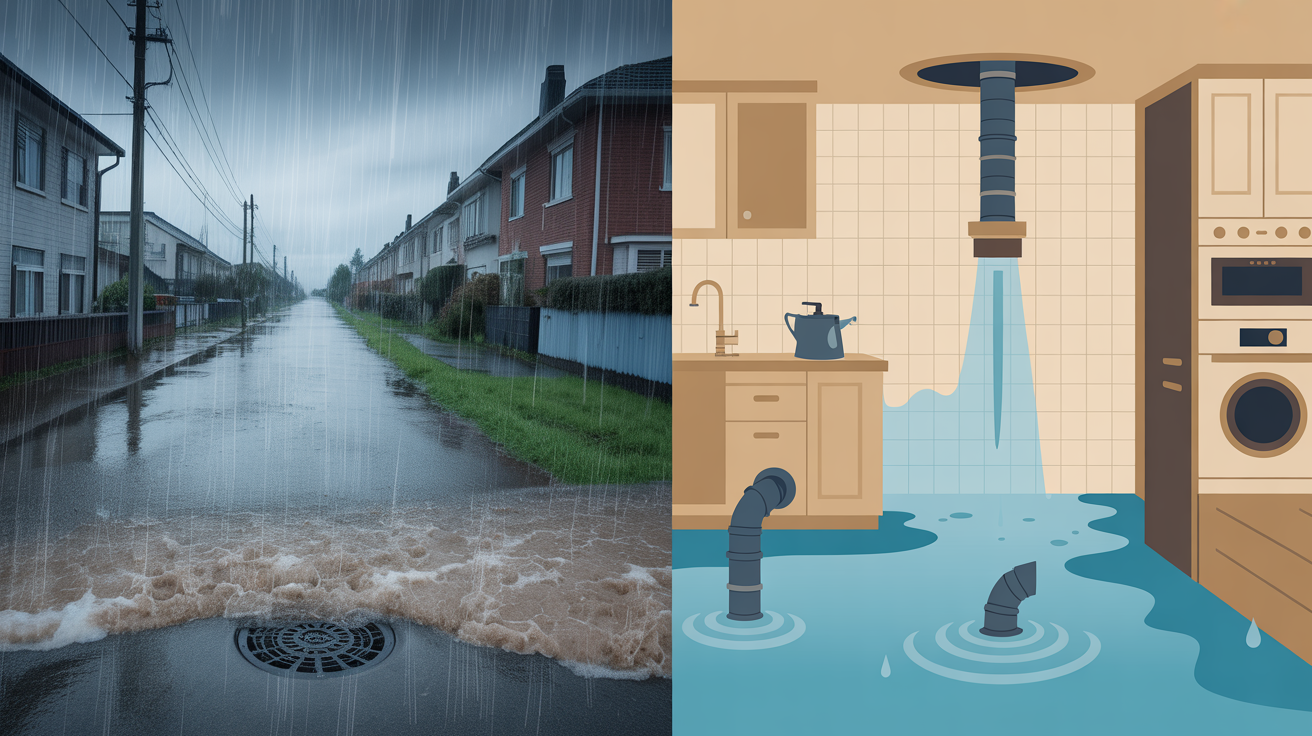
Natural Causes
Floods, heavy rains, and storms are the most common natural causes of water damage. These events can overwhelm drainage systems and lead to significant water intrusion into homes.
Man-Made Causes
Leaking pipes, faulty appliances, and blocked drains are typical man-made causes of water damage. Regular maintenance can help prevent these issues from escalating.
Steps Involved in Water Damage Restoration
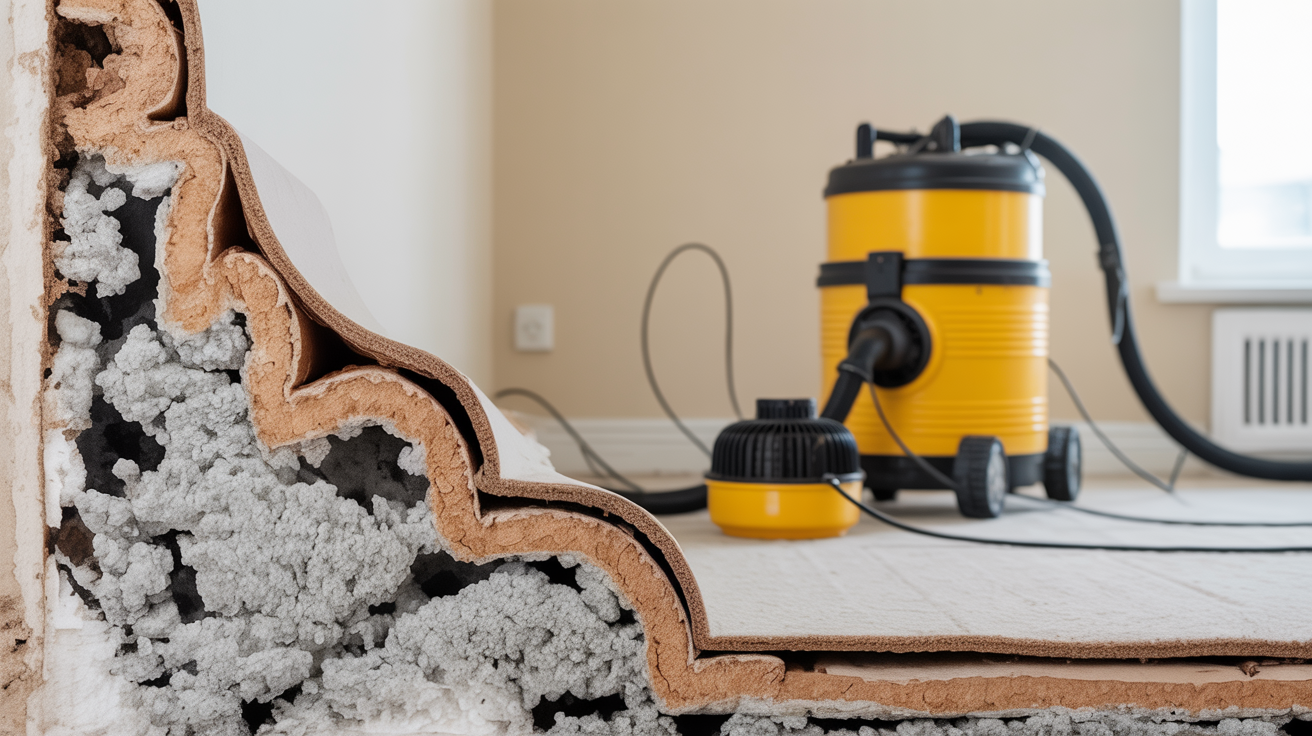
Step 1: Assessment and Inspection Prior To Water Damage Restoration
Professionals assess the extent of the damage and identify the source of the water. This step is crucial for creating an effective restoration plan.
Step 2: Water Removal/Extraction
Using pumps and vacuums, professionals remove standing water from the affected areas to minimize further damage.
Step 3: Drying and Dehumidification
After water removal, the drying process begins. Dehumidifiers and air movers are used to dry out walls, floors, and other structures.
Step 4: Cleaning and Sanitizing
Cleaning involves removing contaminants and sanitizing the area to ensure a safe environment. It also involves odor removal and deodorization.
Step 5: Water Damage Restoration and Repairs
The final step involves restoring your home to its pre-damage condition. This may include minor repairs, such as replacing drywall and installing new carpet, or major repairs like reconstructing entire rooms.
Preventing Future Water Damage
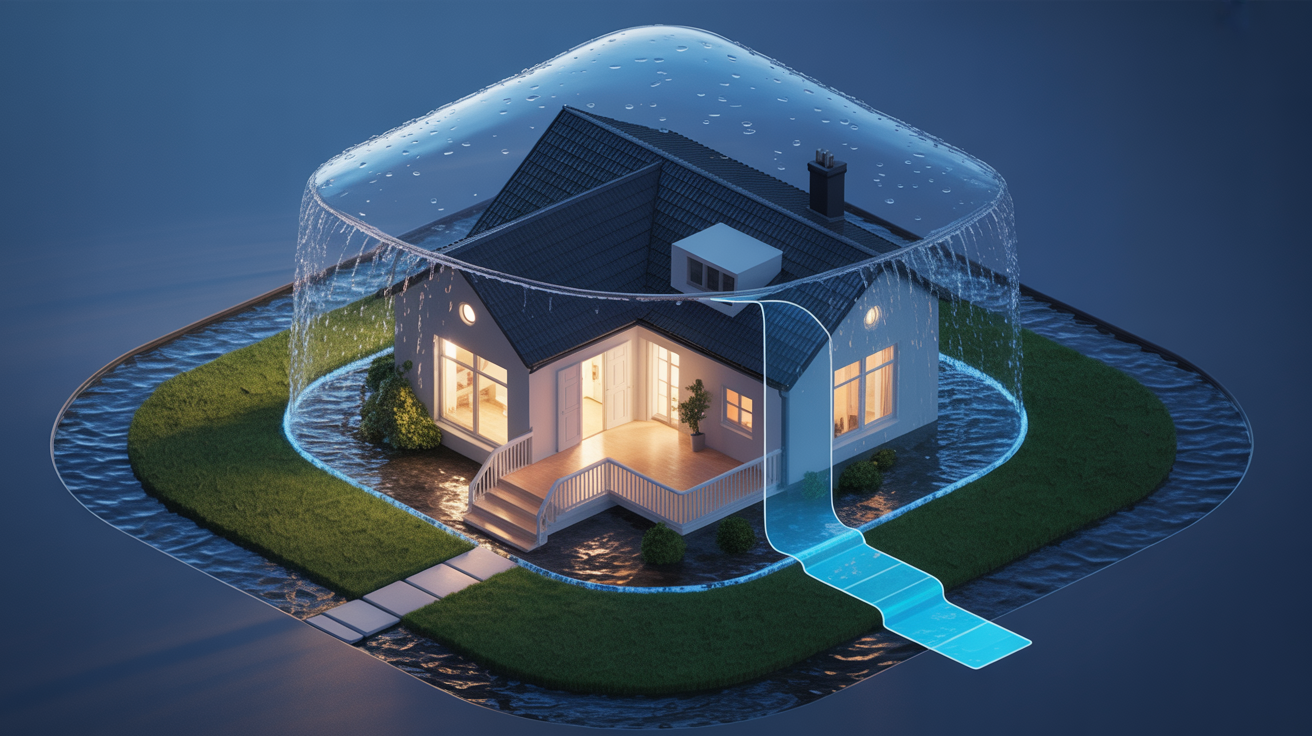
Regular Inspections and Maintenance to Detect Water Damage
Regularly inspect your home for signs of leaks or water damage. Early detection can save you from costly repairs.
Investing in Water Leak Detection Systems
Consider installing water leak detection systems. These systems alert you to potential leaks before they become significant issues, providing peace of mind and protection for your home.
Conclusion: Final Thoughts on Protecting Your Home from Water Damage

Water damage restoration is essential for maintaining the integrity, safety, and long-term value of your home. When left unaddressed, even minor water issues can escalate into serious structural damage, mold growth, and costly repairs.
By understanding the restoration process and acting quickly when water intrusion occurs, homeowners can significantly reduce the extent of damage.
Equally important is implementing preventive measures such as regular property inspections, proper drainage maintenance, and timely repairs to plumbing or roofing issues.
Proactive care, combined with professional water damage restoration services when needed, helps ensure your home remains dry, healthy, and well-protected against future water-related problems.
FAQs
What is the first step in water damage restoration?
The first step in water damage restoration is assessment and inspection to determine the extent of the damage.
Can water damage lead to mold growth?
Yes, water damage can lead to mold growth if not addressed promptly, as mold thrives in damp environments.
How can I prevent water damage in my home?
Regular inspections, maintenance, and investing in water leak detection systems can help prevent water damage.