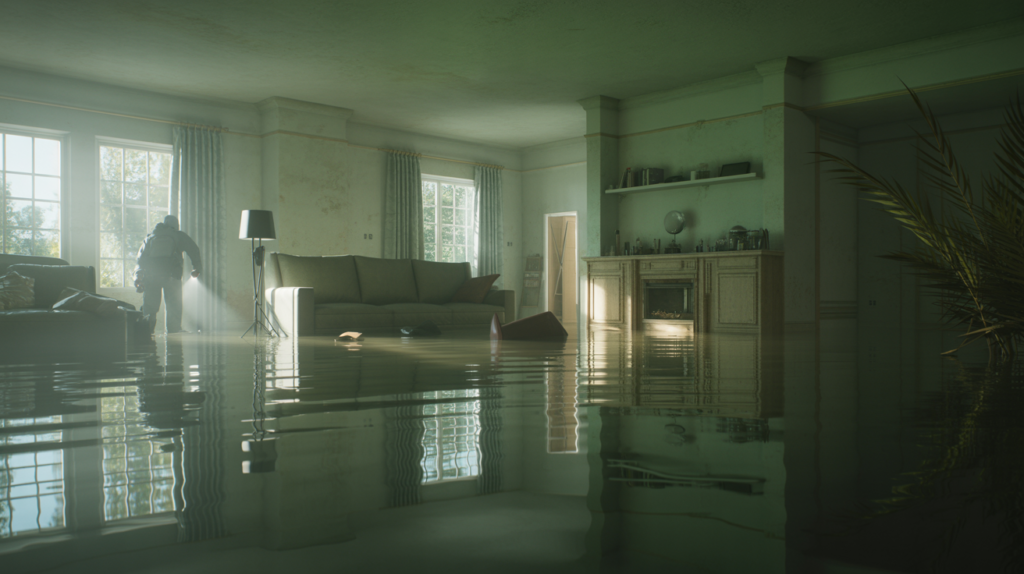
Flooded room with water damage, furniture submerged, lone figure with flashlight.
When water floods a home or business, every minute counts. Fast, professional water extraction limits structural damage, reduces costs, and helps prevent long-term issues like mold. Around 70% of global freshwater withdrawals come from agriculture, which shows how valuable clean water is and why managing unwanted water inside our properties responsibly matters just as much.
Key Takeaways
| Question | Answer |
|---|---|
| What is water extraction? | Water extraction is the process of quickly removing standing and hidden water from a property after leaks, burst pipes, or flooding so that Structural Drying and Dehumidification can begin. |
| How fast should I call for help? | You should contact professional Emergency Response Services immediately. For detailed guidance on what to do first, visit our article what to do right now and how professionals fix water damage. |
| Can water extraction prevent mold? | Yes, rapid water extraction followed by Structural Drying and Mold Remediation dramatically reduces mold growth and helps protect your indoor air quality. |
| Is water extraction different for floods vs. pipe leaks? | Yes. Flood Damage Repair often involves contaminated water and more extensive demolition, while clean pipe leaks may allow more materials to be saved, but both require professional extraction and Dehumidification. |
| Do you serve my city? | We connect homeowners with local teams in many communities, including Aberdeen water damage specialists, as well as many other cities across the United States. |
| What services come after extraction? | After water extraction, we typically provide Structural Drying, Dehumidification, Mold Remediation, Content Cleaning and Restoration, Odor Removal, and in some cases Smoke and Soot Cleanup if fire sprinklers were involved. |
1. What Professional Water Extraction Really Means
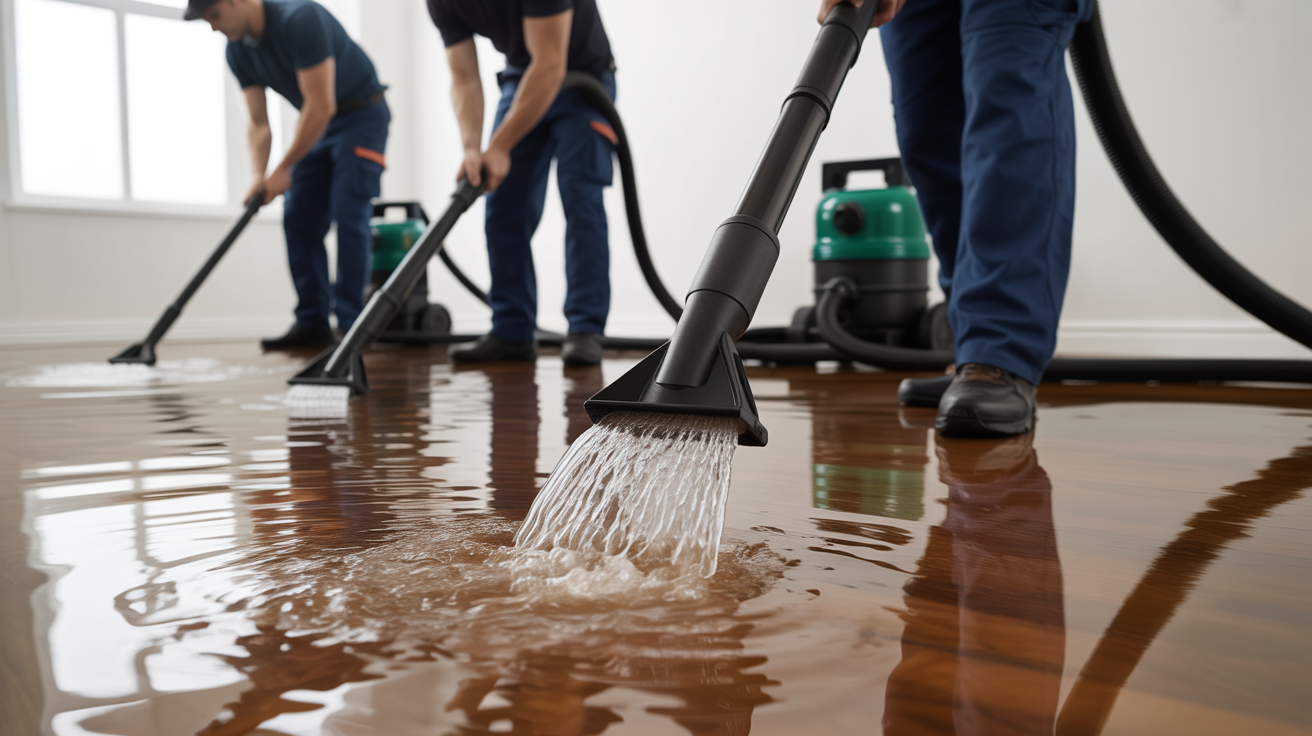
Team members using wet vacuums and high-capacity pumps to extract water from carpets, hardwood, and walls.
Water extraction is more than just removing puddles from your floors. Our teams focus on quickly pulling water out of carpets, padding, hardwood, subfloors, walls, and even cavities where water can hide and quietly damage your structure.
We use high-capacity pumps, wet vacuums, and specialized extraction tools to remove as much liquid water as possible. The faster we remove that water, the less time it has to soak into building materials, which reduces the need for extensive Flood Damage Repair later.
Water Extraction vs. Simple Cleanup
Simple mopping or using a household shop vacuum rarely reaches water trapped in padding or behind baseboards. Professional water extraction targets both visible and hidden moisture, which is critical for preventing mold and structural problems.
Once extraction is complete, we immediately transition into Structural Drying and Dehumidification. These steps go hand in hand with extraction and are essential parts of any complete water damage restoration project.
2. Common Causes Of Water Incidents That Need Extraction
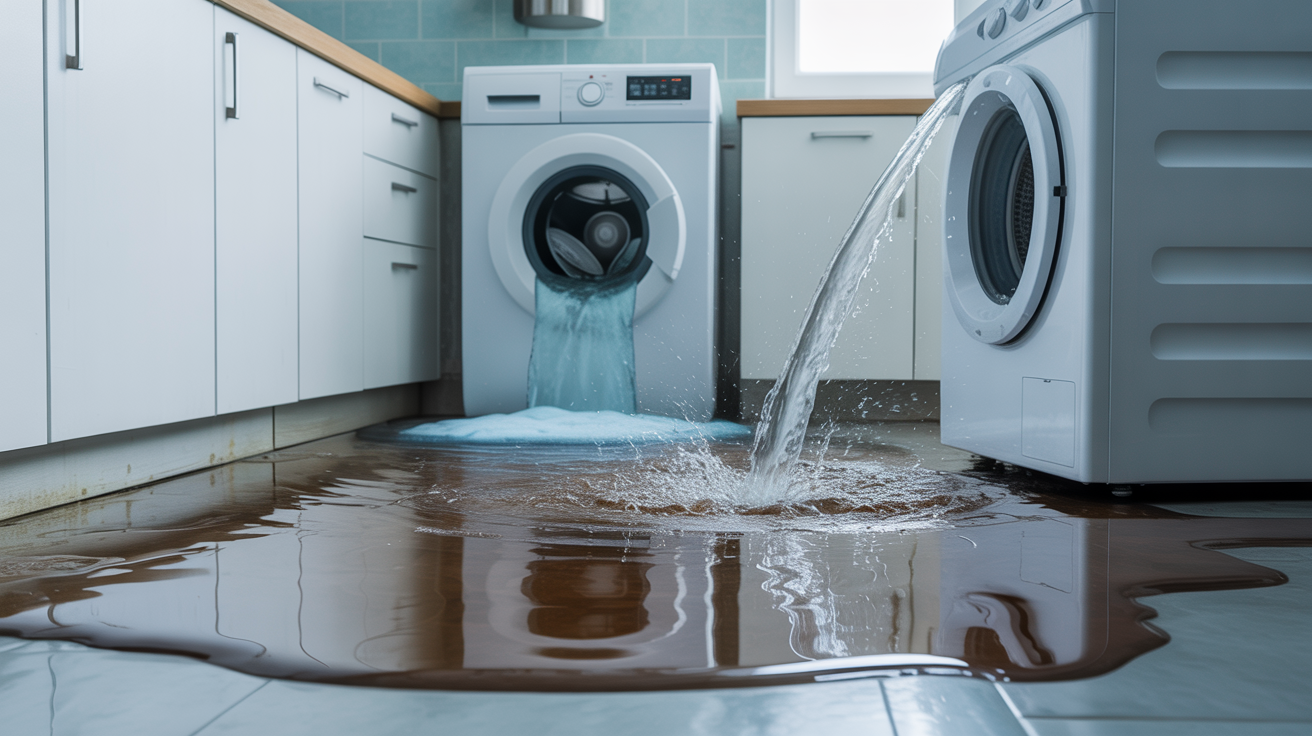
Burst pipe, overflowing washing machine, and a leaking pipe are shown as common water incident causes.
We see a wide range of situations that require urgent water extraction. Some are sudden emergencies, while others start small and grow into serious problems over time.
Typical causes include:
- Burst or leaking supply lines and pipes
- Overflowing tubs, sinks, toilets, and washing machines
- Roof leaks that spread into ceilings and walls
- Storm runoff, river flooding, or groundwater intrusion
- Fire sprinkler discharges that soak floors and contents
Clean, Grey, And Black Water Incidents
Not all water is the same. Clean water from a supply line is less hazardous than grey water from appliances or black water from sewage or outdoor flooding.
We adjust our water extraction and Flood Damage Repair strategies based on these categories. Contaminated water almost always requires more demolition, deeper cleaning, and more extensive Mold Remediation to keep your indoor environment safe.
3. The Step-By-Step Water Extraction Process We Follow
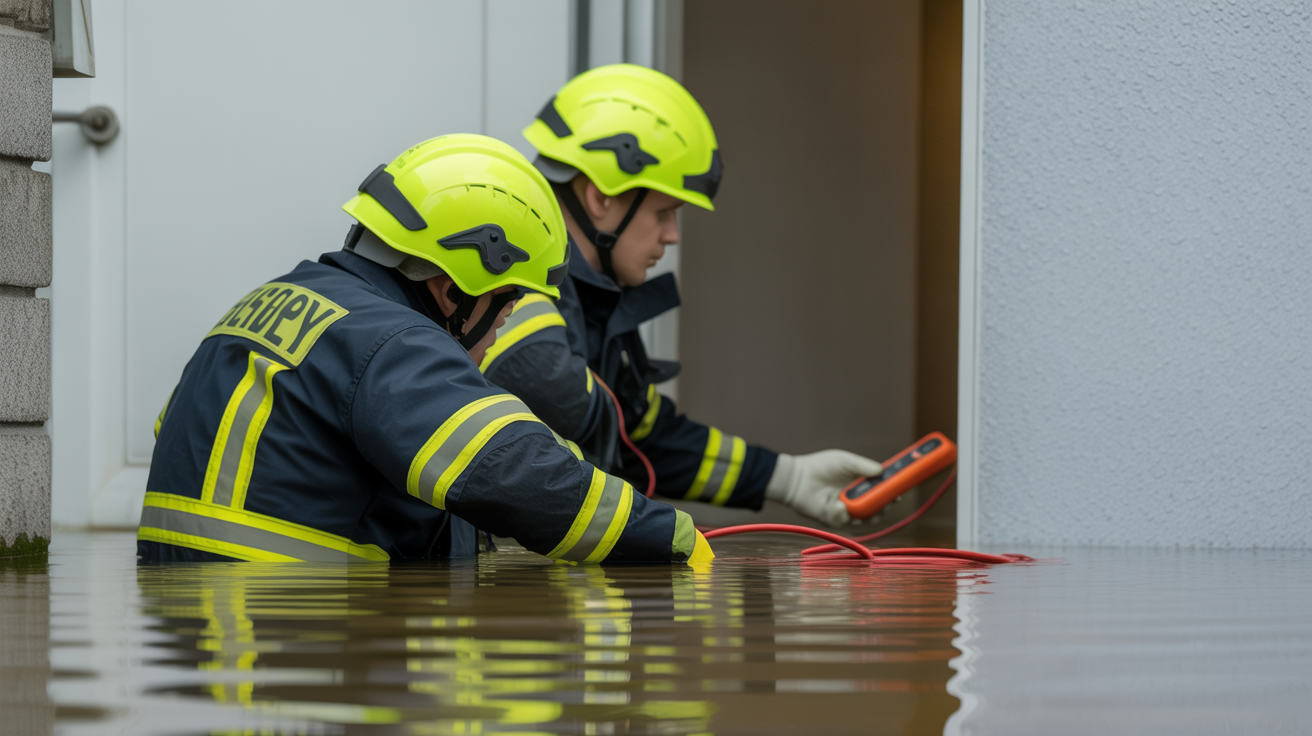
Emergency response team checks for electrical hazards and identifies the water intrusion source.
When our Emergency Response Services arrive, the first priority is safety. We check for electrical hazards, structural concerns, and any contamination issues from sewage or chemicals.
Next, we identify the source and help stop additional water intrusion if it is still active. Once the situation is stable, our team begins systematic water extraction using high-powered equipment designed for residential and commercial environments.
From Standing Water To Structural Drying
Our process usually looks like this:
- Inspect and map affected areas using moisture meters and, when needed, thermal imaging
- Extract standing water using pumps and truck-mounted or portable extractors
- Perform multiple passes on carpets and padding to remove as much moisture as possible
- Remove unsalvageable materials that cannot be dried safely
- Set up Structural Drying and Dehumidification equipment to bring the building back to safe moisture levels
Throughout the process, we document readings and progress, which can be important for insurance claims. This structured approach helps ensure that areas do not stay damp long enough to require costly Mold Remediation later.
DID YOU KNOW?
Groundwater accounts for about 25% of all water used for irrigation and roughly half of the freshwater withdrawn for domestic uses worldwide.
4. Why Fast Water Extraction Protects Your Structure
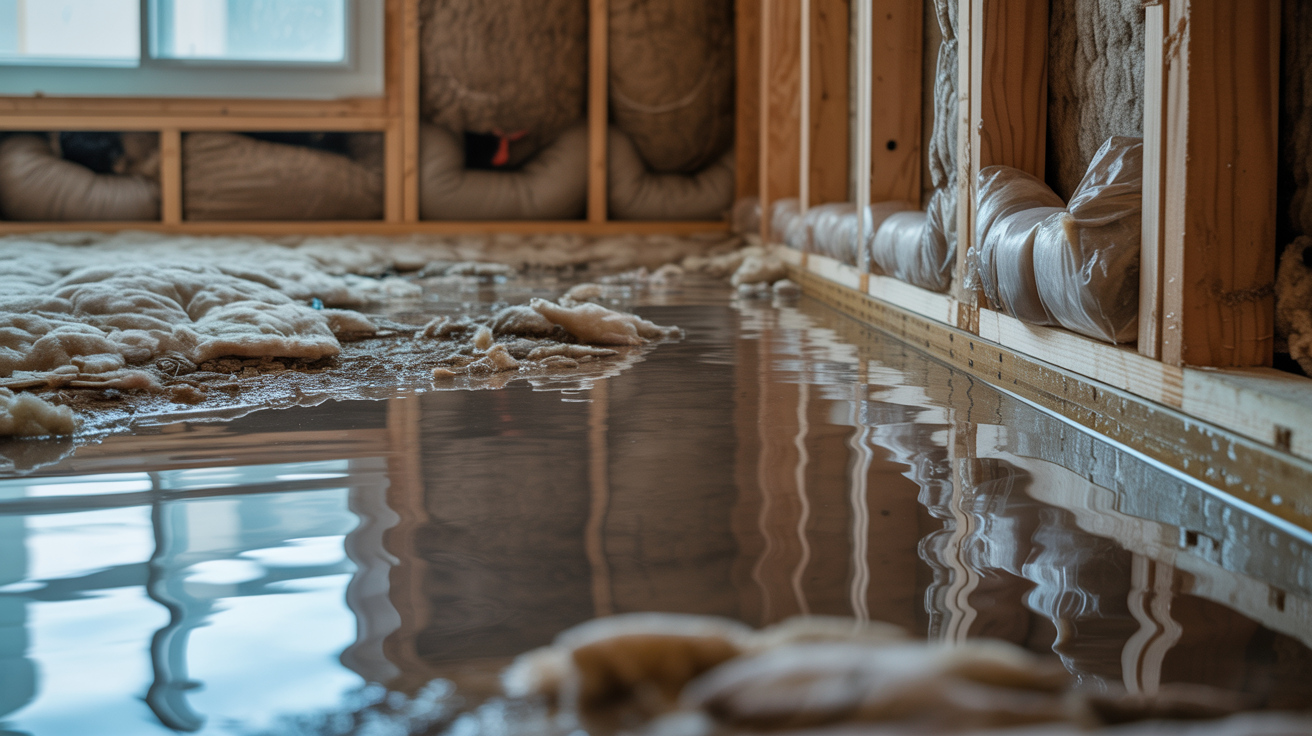
Water seeping into drywall, wood framing, and insulation, causing swelling and warping.
Water that sits inside a building quickly seeps into porous materials. Drywall, insulation, wood framing, and subflooring can all absorb moisture, which weakens them and can cause warping, swelling, and long-term deterioration.
Timely water extraction reduces how much water these materials take on. This can be the difference between a small repair and a significant Flood Damage Repair project that affects multiple rooms or levels.
Preventing Hidden Structural Damage
Hidden water is one of the biggest threats after a leak or flood. Moisture can collect behind walls, under cabinets, inside ceiling cavities, and beneath tile or hardwood flooring.
We use professional meters and, when needed, minimally invasive inspection methods to identify these pockets of moisture. Once we know where water has traveled, we can combine extraction, Structural Drying, and Dehumidification to address not only visible wet spots but also the concealed areas that homeowners often miss.
5. How Water Extraction Helps Prevent Mold Growth
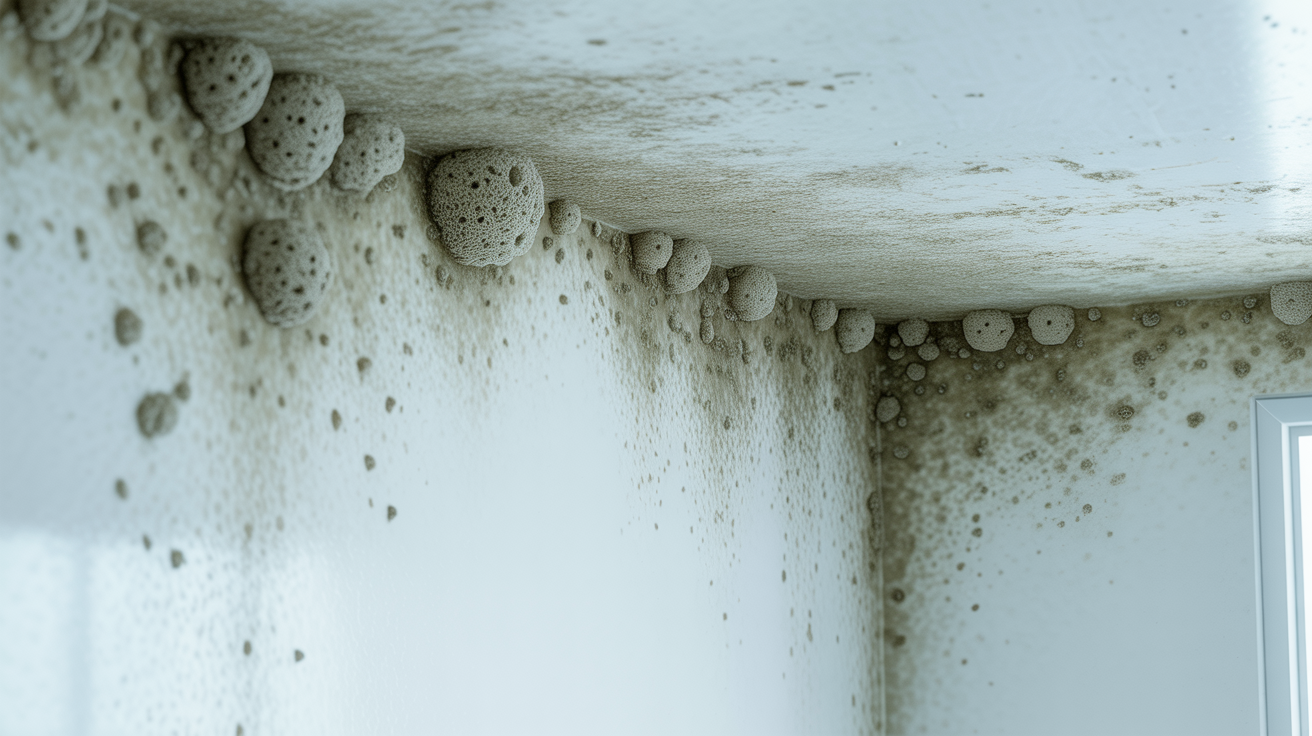
Mold growing on wet materials, with mold spores visible in the air.
Most molds begin to colonize wet materials within 24 to 48 hours, especially in warm or humid spaces. When water extraction is delayed, materials remain damp longer, creating an ideal environment for mold spores that are already present in the air.
By removing liquid water quickly and starting Structural Drying early, we significantly reduce the time that building materials spend in that high-risk moisture range. This is the foundation of effective Mold Remediation and prevention.
Link Between Extraction, Drying, And Mold Remediation
Mold Remediation often involves removing contaminated materials, cleaning surfaces, and improving air quality. However, without proper water extraction and Dehumidification, mold issues can return.
Our goal is to break this cycle. We pair thorough water extraction with carefully planned drying and humidity control so that, even if mold has already started, we can remediate it and help prevent it from resurfacing in the same areas.
6. Structural Drying And Dehumidification After Extraction
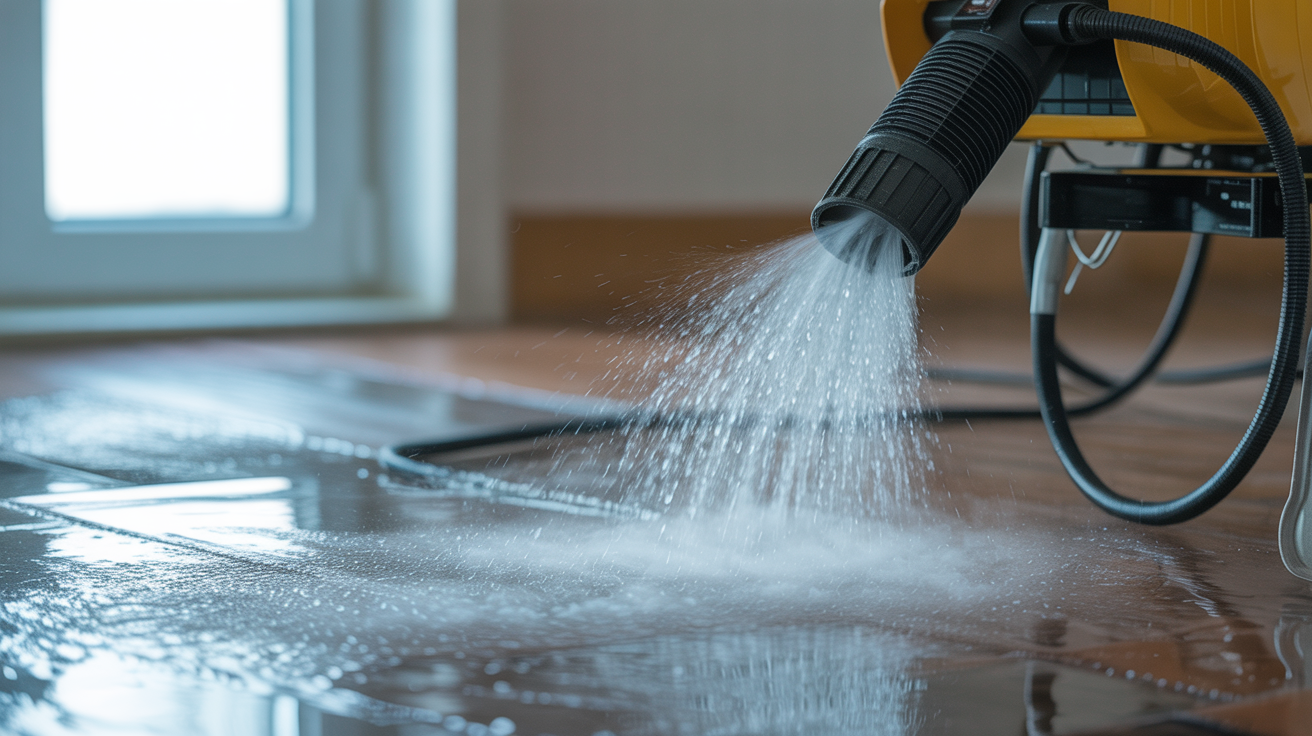
Air circulating across wet surfaces, dehumidification equipment removing moisture.
Water extraction removes standing and surface water, but materials often remain wet inside. Structural Drying addresses this by circulating air across surfaces, while Dehumidification pulls excess moisture out of the air itself.
Together, these processes move moisture from deep inside walls, floors, and contents into the air and then into the dehumidifiers. We monitor humidity and material moisture levels until they reach safe targets that match normal conditions for your region.
Equipment We Typically Use
- High-velocity air movers to increase evaporation
- Refrigerant or desiccant dehumidifiers to lower indoor humidity
- Inject-dry systems for targeted drying inside wall cavities or under cabinets
- Moisture meters to verify when building materials are truly dry
Our technicians adjust equipment placement and settings as readings change. This active management helps reduce drying time and can save more materials, which is especially important when working to avoid unnecessary demolition.
DID YOU KNOW?
Groundwater levels are declining in a majority of aquifers studied globally: 71% declined, 36% fell by more than 0.1 meters per year, and 12% by more than 0.5 meters per year.
7. Content Cleaning And Restoration After Water Extraction

Teams evaluating and cleaning furniture, clothing, electronics, and documents after water damage.
Water damage affects more than walls and floors. Furniture, clothing, electronics, documents, and personal items can all suffer when water spreads through a home or business.
After water extraction stabilizes the environment, our teams evaluate which items can be salvaged through Content Cleaning and Restoration. This helps you keep more of what matters while also reducing waste.
Typical Contents We Can Often Restore
- Upholstered furniture and area rugs, when affected by clean or lightly contaminated water
- Hard-surface furniture such as tables, dressers, and cabinets
- Electronics in some cases, when quickly addressed and safely handled
- Documents and photos using specialized drying and cleaning methods
Decisions about what to save depend on the type of water, how long items were wet, and any pre-existing conditions. We document contents carefully so that you and your insurer have a clear record of what was restored and what could not be saved.
8. Odor Removal And Indoor Air Quality After Water Damage
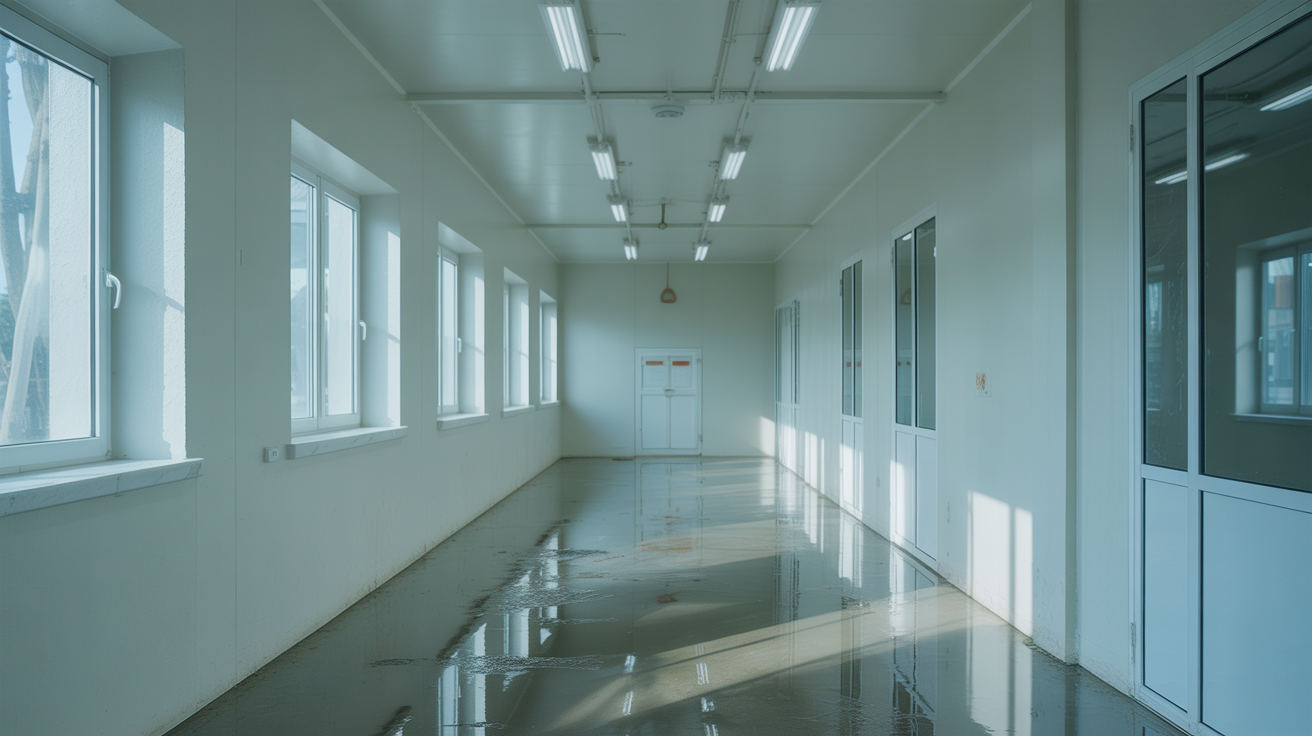
Lingering stale, musty odors in a water-damaged building, indicating microbial growth.
Stale, musty odors are a common complaint after water incidents. Even when surfaces appear dry, lingering moisture, microbial growth, and contaminants can continue to affect indoor air quality.
Our approach to Odor Removal begins with proper water extraction and drying, since most persistent odors come from wet materials. Once moisture is under control, we can use additional cleaning, filtration, and odor-neutralizing techniques as needed.
Techniques For Persistent Odors
- Deep cleaning of affected surfaces and HVAC components
- Use of HEPA filtration devices during Mold Remediation or demolition
- Application of professional-grade odor neutralizers targeted to the source
- In some cases, removal of materials that cannot be cleaned effectively
Addressing the source of moisture is always the first step. Without thorough water extraction and Dehumidification, odor treatments alone will not last and indoor air quality can continue to suffer.
9. Flood Damage Repair And Smoke & Soot Cleanup Scenarios
Major floods create complex challenges that go beyond typical indoor leaks. Outdoor floodwater can contain sewage, chemicals, and debris, so Flood Damage Repair often involves more extensive demolition and disinfection in addition to water extraction.
In other cases, water damage occurs at the same time as a fire incident, such as a kitchen fire that activates sprinklers. In these situations, Smoke and Soot Cleanup and water extraction must work together.
Coordinated Services For Complex Losses
When both fire and water are involved, our teams coordinate water extraction, soot removal, and Odor Removal so that all issues are addressed in the right order. For example, we may need to extract water and stabilize humidity before performing detailed smoke cleaning on certain surfaces.
Throughout the process, our goal is to protect structural integrity and indoor air quality while keeping downtime as short as conditions allow. This coordinated approach is especially important for businesses that need to resume operations as quickly and safely as possible.
10. Emergency Response Services: What To Do Before We Arrive
Our Emergency Response Services are available day and night, because water extraction is most effective when started quickly. While you are waiting for professional help, there are safe steps you can take to minimize damage.
If it is safe to do so, you can shut off the water supply to the affected area, turn off electricity in impacted zones, and gently move valuables away from standing water. Always avoid contact with water that may be contaminated or close to electrical sources.
Working With Local Teams In Your Community
We work with experienced restoration teams in communities across the country. If you are in Texas, for example, you can learn more about support available in your area by visiting our Abilene water damage service page, which connects residents with local professionals who understand regional conditions.
Wherever you are located, our shared goal is the same: to provide prompt water extraction, Structural Drying, Dehumidification, Mold Remediation, and related services that help protect your property and your peace of mind.
Conclusion
Water extraction is the critical first step in any effective water damage restoration project. By acting quickly, removing standing and hidden water, and following through with Structural Drying, Dehumidification, Mold Remediation, Content Cleaning and Restoration, and Odor Removal, we can significantly limit damage and protect both your building and your belongings.
Whether your property has experienced a minor leak or a major flood, professional Emergency Response Services help ensure that every stage—from initial water extraction to final Flood Damage Repair or Smoke and Soot Cleanup—is handled safely and thoroughly. If you suspect water damage, do not wait. Reaching out promptly is the best way to safeguard your home, your health, and your community.